The Real Cost of Owning a Small Dog: Year One vs Year Three
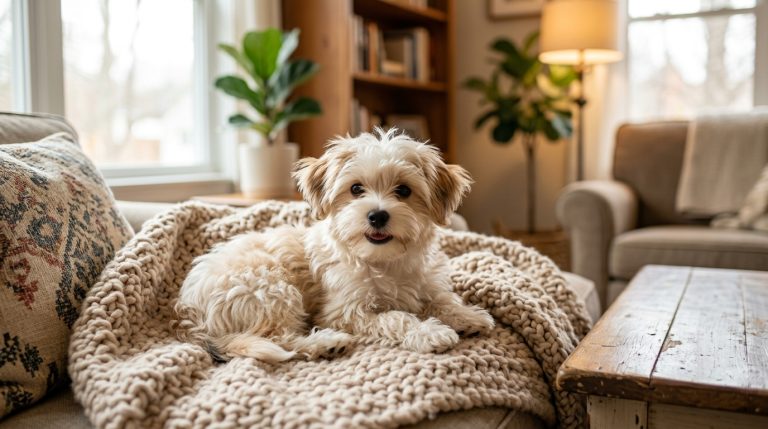
Last Tuesday Georgie ate my sock and acted like I’d wronged him when I took it back. He gave me the side-eye for a good ten minutes, then tried to chew the leg off my coffee table. Just another day in the life. You asked about the cost of having a small dog, especially a Morkie. Buckle up, buttercup, because it’s not always sunshine and rainbows, especially when they think they’re a wolf trapped in a 7-pound body.
Year One: The “Everything Is New and Essential” Phase
Okay, so Year One with Georgie was basically a financial black hole with tiny teeth. Don’t let anyone tell you small dogs are cheap. They’re not. They just have smaller poops. We got Georgie from a reputable breeder, which wasn’t cheap itself. Like, $2000. Immediately, you’re in the red. Then came the parade of “essentials.”
First up, Royal Canin Yorkshire Terrier Puppy food. It’s pricey, like $35 for a 2.5lb bag, but the vet recommended it because Morkies can be prone to sensitive stomachs and this stuff is formulated for tiny mouths and delicate digestive systems. I tried some cheaper stuff first, like Purina Pro Plan puppy food, figuring small dogs eat less. Nope. Georgie turned his nose up at it and then barfed on the rug. So, Royal Canin it was, and honestly, his coat looked amazing.
Then there was the vet. Oh god, the vet. Puppy shots, deworming, microchipping, wellness checks. Easily $500-700 in the first few months alone. We had a scare with giardia (from sniffing too many suspicious things at the park, I assume), which was another $150 for meds and follow-up tests. Don’t even get me started on the neuter. That was around $400. And yes, Georgie thought he was a whole new man afterward, still convinced he could take on a Rottweiler.
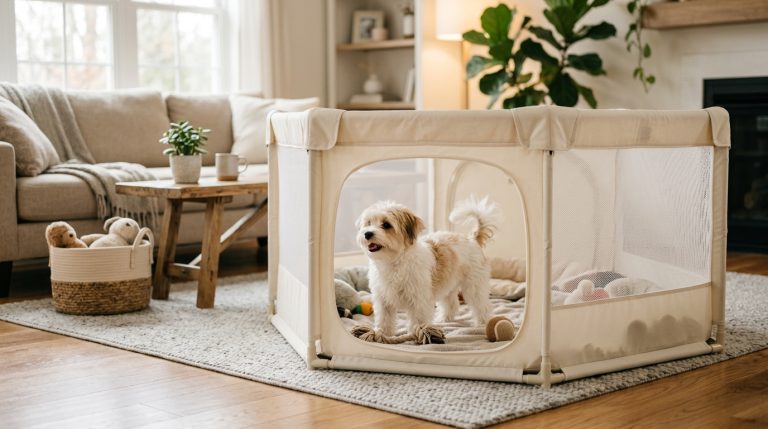
Gear was another big one. I bought a MidWest Homes for Pets LifeStages Folding Crate (small size, about $40 on Amazon) and a cheap bed that he immediately shredded because he decided it was an enemy. So then I got him a K9 Ballistics Tough Orthopedic Dog Bed for like $120. That one actually survived. For walks, I tried a cheap harness from Petco first, but it rubbed under his armpits. Then I shelled out for the Ruffwear Front Range Harness ($40 on Amazon). Best decision ever. It’s super comfortable for him, and easy to adjust. Georgie struts in it, thinking he’s leading a pack of wolves instead of just me and Teddy (my other, much lazier dog).
Toys. Good lord, the toys. Georgie rips through them like a tiny, fluffy tornado. He has opinions, you see. He likes squeaky toys, but only certain pitches. He adores anything that crinkles. But his favorite thing to do is steal Teddy’s plush duck, which Teddy barely looks at, then hoard it like it’s solid gold. I probably spent $100-150 on toys that first year, half of which ended up in pieces under the couch. Chews were another thing. Nylabone Nutri Dent Dental Chews (about $10 for a small pack) were a lifesaver for his puppy teeth and kept him from chewing on my furniture, mostly.
Year Three: The “Maintenance & Unexpected Surprises” Phase
Year Three is different. You’ve got the routine down, you know what works, and you’re not buying a new everything every five minutes. The initial investment is mostly paid off, but new costs pop up.
Food is still Royal Canin, but now it’s the adult version. Still about $35 a bag, maybe every 6 weeks for a 7lb dog. So that’s roughly $300 a year. Not too bad. Treats are a regular expense, too. Georgie loves Blue Buffalo Blue Bits (about $7 a bag). He considers them currency. If you want him to do anything, you need to pay up.
Vet visits are less frequent – annual check-ups, maybe some dental work. This year, his dental cleaning (which small dogs often need because their teeth get crowded) was $600. Yep, six hundred bucks to clean a tiny mouth. But necessary, because Georgie thinks bad breath is for lesser creatures. Routine vaccinations and heartworm/flea prevention are ongoing. NexGard for fleas and ticks ($65 for 3 months) and Heartgard Plus for heartworm ($45 for 6 months). So that’s about $300-400 a year just for preventative medicine.
Grooming is a constant. Morkies don’t shed much, but they need regular haircuts. I tried to do it myself with some cheap clippers, but Georgie looked like a lumpy potato. So now he goes to the professional groomer every 8 weeks. That’s $70 a pop. $420 a year just for haircuts. He comes back looking like a tiny, fluffy supermodel, ready to judge everyone. His brother Teddy, bless his lazy heart, doesn’t care if he looks like a mop.
Toys are still being bought, but now I know what he likes. Fewer duds. Maybe $50-75 a year now. Replacing the occasional destroyed bed or worn-out harness. That K9 Ballistics bed is still holding strong, though. Training classes were a one-time thing in Year One (another $200), but now it’s just reinforcing commands with treats. He knows “sit” and “stay” but often pretends he doesn’t if he thinks there’s no payoff.
The biggest difference from Year One to Year Three is that the initial shock of all the one-time purchases has faded. You’re mostly dealing with recurring maintenance costs and the occasional unexpected vet bill. The total cost is lower, but it’s still significant. My estimate for Year One was probably around $3000-3500, maybe more with everything. Year Three, I’m probably looking at $1500-2000, not including any big emergency vet visits. That’s still a chunk of change for a dog who weighs less than a gallon of milk and thinks he’s a formidable predator.
Honestly, if you’re asking if I’d do it again, knowing all this? Yeah, I probably would, because Georgie’s a pain in the butt, but he’s *my* pain in the butt.