Crate Training Made Easy for Small Breeds: Georgie’s Happy Place
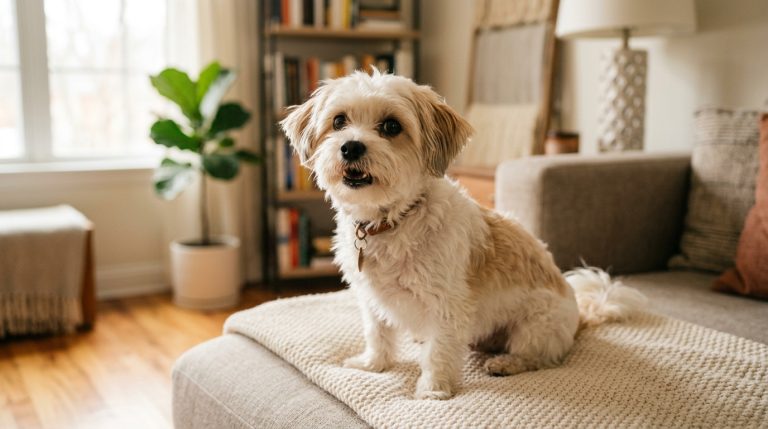
The first time we tried to crate train Georgie, it was… a disaster. I’d set up this cozy little den, complete with a soft bed and a few toys, feeling like a responsible pet parent. Georgie, however, had other plans. She’d take one look, let out a tiny, high-pitched yip that could curdle milk, and then bolt under the nearest armchair, giving me the most judgmental side-eye a Morkie has ever mastered. It was clear she considered the crate less a sanctuary and more a canine Alcatraz.
My initial mistake, I quickly realized, was treating the crate like a punishment. It was where she went when she was “bad” (which, for a puppy, was roughly every five minutes), or where she was shoved when I needed a moment of peace. The crate became associated with isolation and negativity, making her naturally wary. Small breeds, with their often-sensitive natures, can be particularly susceptible to this kind of negative association. They pick up on our anxieties, and if we’re stressed about crating them, they’ll be stressed about being in it. (Check out our top pick: training treats.)
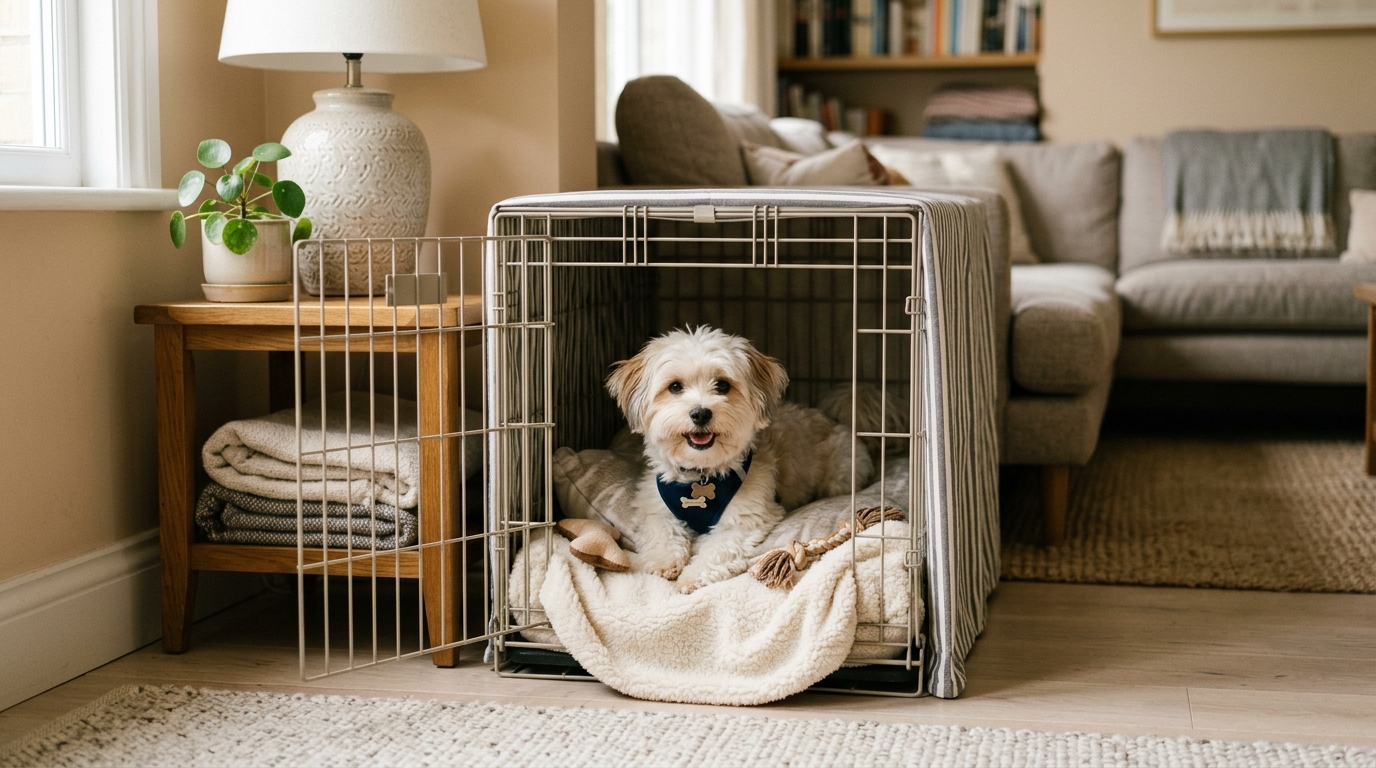
I had to completely reframe the crate for Georgie, and for myself. Instead of a prison, it needed to be her personal penthouse suite. I started by feeding her all her meals exclusively in the crate, door open. This immediately created a positive link: yummy food equals happy crate. Then, I’d toss in high-value treats and praise her enthusiastically every time she stepped inside, even for a second. We played games around the crate, dropping toys in and encouraging her to retrieve them. The crate wasn’t just for meals; it was for play, for treats, for good things.
The real turning point came when I started leaving the crate door open all the time, making it accessible even when I wasn’t actively training. I’d often find Georgie curled up inside, napping peacefully, a clear sign it had become her chosen safe space. It wasn’t a place I forced her into; it was a place she chose. She’d take her favorite chew toy in there, or retreat when the doorbell rang. It became her private den, a quiet retreat from the bustling world. What started as a tiny terror’s prison transformed into her cozy sanctuary, her happy place. (Check out our top pick: dog puzzle toys.)
To make crate training easy for your small breed, actively build positive associations with the crate through meals and treats, always ensuring it’s a place of comfort and choice.
Frequently Asked Questions
What makes this crate training guide easy for small breeds?
This guide offers simplified, positive reinforcement techniques specifically adapted for small dogs. It focuses on gentle introduction and creating a stress-free experience, helping your small breed quickly embrace their crate as a comfortable, happy space.
What is the concept behind ‘Georgie’s Happy Place’?
‘Georgie’s Happy Place’ emphasizes transforming the crate into a secure, positive sanctuary for your small dog. It’s about making the crate a place where your pet feels safe, comfortable, and genuinely happy, not just confined.
What are the key benefits of crate training small breeds with this method?
Key benefits include easier house-training, reduced anxiety, a safe den for rest, and improved travel experiences. This method helps small breeds view their crate as a comforting personal space, promoting overall well-being and good behavior.
Instant digital download — print at home or at your local print shop
Similar Posts
Understanding Your Morkie’s Bark: Deciphering Georgie’s Woofs
The mail carrier, a woman Georgie has seen approximately 374 times, made the egregious error of walking past our house. Again. A high-pitched, insistent bark ripped through the air, quickly escalating into a frantic series of yaps punctuated by a low, guttural growl that sounded suspiciously like a tiny dinosaur choking on a grape. Her…