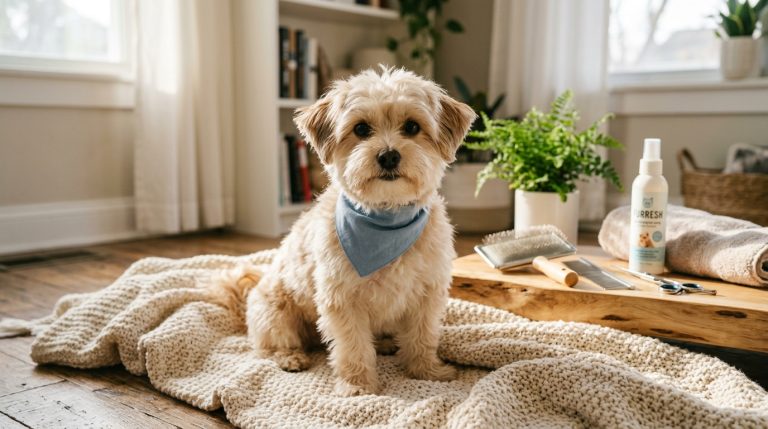
The Essential Dog First Aid Kit: What Every Pet Parent Needs
Last Tuesday Georgie ate my sock and acted like I’d wronged him when I took it back. He’s got this thing where he thinks he’s a wolf, a tiny, fluffball wolf, and apparently, my socks are his prey. It got me thinking, if a sock can cause that much drama, imagine if he actually got hurt. You asked what I keep for a first aid kit for Georgie, and honestly, it’s not as complicated as those Pinterest boards make it seem. Most of the stuff is cheap, and you probably have half of it already. But it’s the peace of mind knowing you’re not scrambling when your little psycho decides to go full feral on a rogue squirrel or, you know, a sock.
Basic First Aid Supplies
First off, think about what you’d grab for yourself if you got a cut or scrape. It’s pretty much the same for Georgie, just smaller. You need some kind of antiseptic. I use Betadine Antiseptic Solution, which is like $10 on Amazon. It’s gentle enough for pets and doesn’t sting, which is a huge plus because Georgie turns into a demon child if he feels any discomfort. I tried some hydrogen peroxide early on, but it actually damages tissue, so my vet told me to ditch it. Betadine is way better for cleaning wounds without irritating them further.
Next up, sterile gauze pads and some self-adhering bandage tape. Don’t even bother with regular medical tape; Georgie will chew it off in two seconds flat. The 3M Vetrap Cohesive Flexible Bandage Tape is fantastic, and you can get a roll for about $5. It sticks to itself, not to Georgie’s fur, which is key. Trying to peel regular tape off his hair is a nightmare, trust me. I also keep some non-stick pads, like the Curad Non-Stick Pads, for covering wounds after I’ve cleaned them. They prevent the bandage from sticking to the actual injury, making it less painful to change. Georgie has opinions about everything, especially anything that messes with his fur, so anything to make the process smoother is a win.
Oh, and scissors! Not just any scissors, but a pair of blunt-tip bandage scissors. You don’t want to accidentally stab your dog while trying to cut a bandage off. I got a cheap pair for like $8 from a medical supply store online. They’re specifically designed so the blunt tip slides under bandages without nicking skin. Essential, especially if your dog is a squirmy little worm like Georgie. (Check out our top pick: dental chews.)
Tools for Minor Mishaps
Beyond cuts and scrapes, there are always those minor annoyances. Tweezers are a must. Georgie loves to roll in everything, and sometimes that means a tiny splinter or a tick. I use a good quality pair of pointy tweezers, not the blunt kind. The Tweezerguru Professional Stainless Steel Tweezers are great for getting a good grip on whatever tiny invader Georgie has collected. I tried the plastic tick removers, but they always felt flimsy and didn’t quite get the whole tick out, so I went back to good old tweezers.
A digital thermometer is also crucial. Knowing if Georgie has a fever can tell you a lot about what’s going on. I use a standard rectal thermometer, like the MABIS Digital Rectal Thermometer for about $15. It gives a quick reading, and while Georgie hates it, it’s vital information. His brother Teddy, who thinks he’s king of the house, usually just watches with mild amusement while Georgie throws a tantrum. But hey, Georgie thinks he’s a wolf, so a little indignity is just part of the deal.
For paw injuries, which happen more often than you’d think (especially if your dog acts like a maniac on walks), I keep a little tube of Musher’s Secret Paw Wax. It’s technically for protecting paws in harsh weather, but it’s amazing for minor cracks or abrasions. It creates a barrier and helps with healing. Plus, it smells pretty good, which Georgie probably appreciates, given his refined sensibilities.
Over-the-Counter Meds (Vet Approved!)
Okay, this is where you absolutely, positively need to talk to your vet first. Never give your dog human medication without their specific guidance. That said, my vet approved me keeping a few things on hand. Benadryl (diphenhydramine) is something I always have. It’s for allergic reactions – bee stings, weird skin reactions, that kind of thing. Georgie is a magnet for anything that might cause a sniffle or a swollen face. My vet gave me the exact dosage for his weight, which is critical. Don’t guess. I tried giving him some generic chewable allergy meds once, and he hated the taste and spat it out. Regular Benadryl tablets are easier to hide in a tiny piece of cheese or peanut butter.
I also keep some Nutri-Vet Anti-Diarrhea Liquid for Dogs. Because sometimes, despite my best efforts, Georgie eats something he shouldn’t. This stuff helps settle his stomach and firm things up. Again, vet approved for minor cases. If it’s anything more serious or lasts longer than a day, it’s a vet visit, no question.
Finally, a small bottle of saline solution. The kind you use for contact lenses, just plain sterile saline. It’s perfect for flushing out eyes if Georgie gets something in them, or for gently cleaning a dirty wound without irritation. I grab the cheap generic brand from the pharmacy; it’s like $5.
Look, Georgie’s a drama king, but also my best buddy. Knowing I have this stuff makes me feel a lot better when he inevitably tries to fight a leaf or eat something questionable. It’s not about being a paranoid pet parent; it’s about being prepared. These items have saved me a few panicked late-night trips to the emergency vet for things that turned out to be minor. If you’re not sure about something, just call your vet. Seriously, just call them.
Frequently Asked Questions
What essential items should I include in my dog’s first aid kit?
Key items include sterile gauze, antiseptic wipes, pet-safe wound cleaner, adhesive tape, blunt-tip scissors, tweezers, an emergency blanket, and your vet’s contact info. Pain relievers should only be given under vet guidance.
Why is a dedicated dog first aid kit necessary, and can’t I just use a human one?
A dedicated kit ensures you have pet-specific items like appropriate wound care, paw protection, and pet-safe cleansers. Human kits may lack these and contain medications toxic to dogs, making a separate kit crucial for pet safety.
How often should I check and replenish my dog’s first aid kit?
Check your kit every 3-6 months. Replace expired medications, used supplies, and ensure all items are clean and functional. This proactive approach guarantees your kit is ready for any unexpected pet emergency.
Looking for a good dog grooming brush? dog grooming brush is a top choice for small breed owners.
Instant digital download — print at home or at your local print shop